Dish
ขนมปังนึ่งไส้เผือก
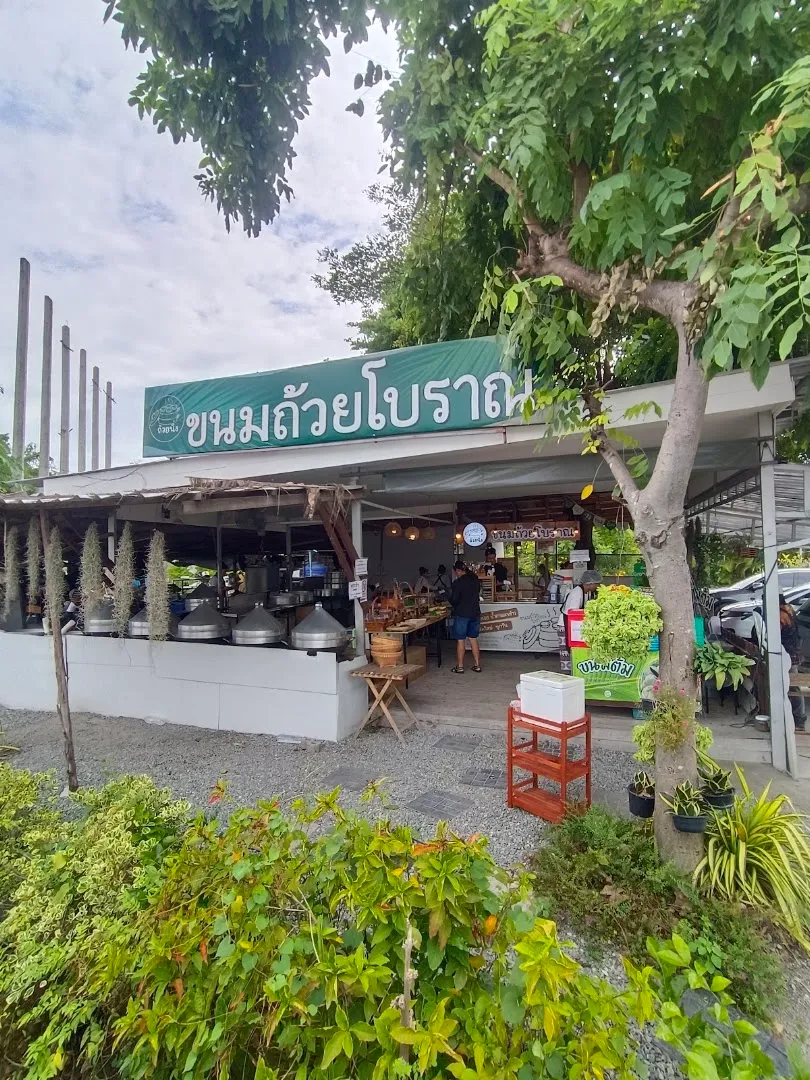
Photo from
ขนมปังนึ่งโบราณ · Tambon Samet
The story
The steamed bun with taro filling, known in Thai as *ขนมปังนึ่งไส้เผือก*, is a traditional Chinese-influenced dim sum-style snack widely enjoyed across Thailand. Its origins trace back to the baozi introduced by southern Chinese immigrants, adapted with local ingredients like taro (เผือก). The bun is made from a soft, yeasted dough that is proofed, filled, and steamed until pillowy. The filling typically consists of mashed taro, sugar, and sometimes coconut milk or butter, yielding a sweet, creamy, and aromatic interior.
A great version is distinguished by a balanced, not-too-sweet taro paste that retains a slight earthy note, paired with a fluffy, thin-skinned bun that does not become gummy. The bun should tear easily to reveal a smooth, non-grainy filling. Overly dense dough or cloying sweetness marks an inferior example.
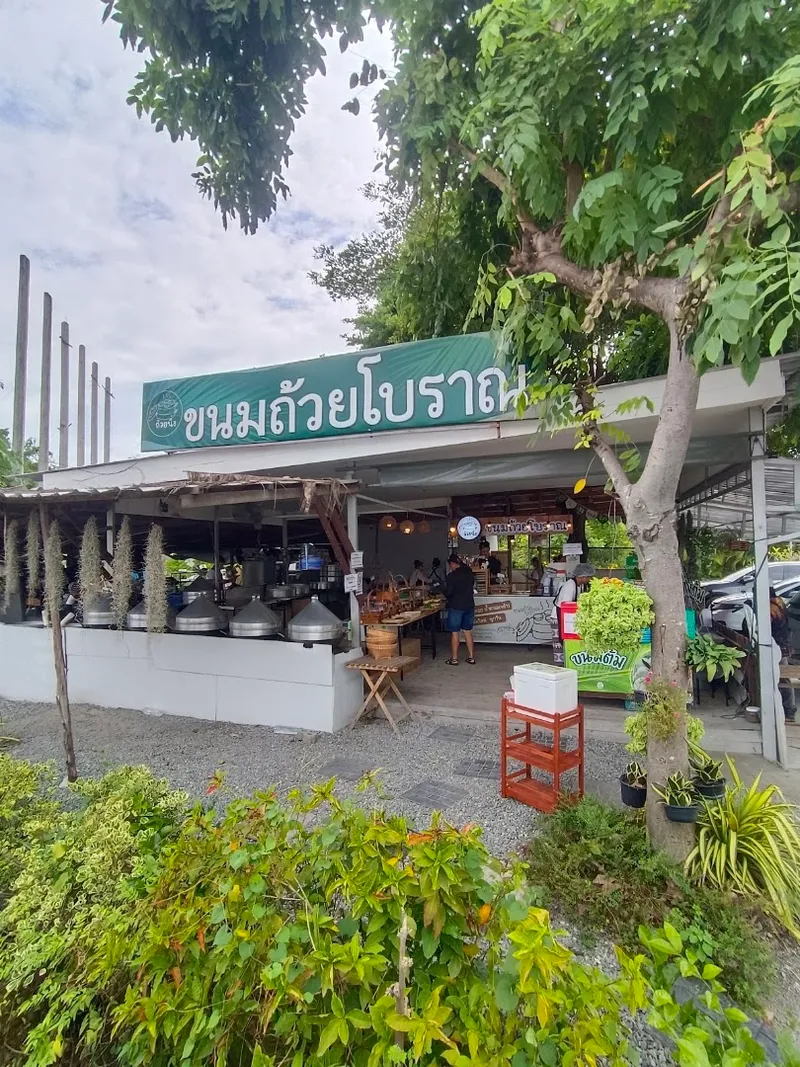
Notable regional variations include versions in Bangkok’s Yaowarat (Chinatown) and in Thai provinces such as Chanthaburi, where high-quality taro is grown. The dish is also sold at specialty stalls like **ขนมปังนึ่งโบราณ** in Tambon Samet, Thailandia, featured by creator **BANKII** on ReTubeIt, where the bun is praised for its traditional preparation and generous taro filling. Other variations may incorporate salt, egg yolk, or even savory fillings, but the taro sweet bun remains the quintessential favorite for its texture and comforting flavor.
Synthesised by AI from every creator’s review.
Where to eat it
1 place reviewed by YouTube creators.
Tambon Samet (1)
What creators say
Highlights from 1 creator review of ขนมปังนึ่งไส้เผือก.

An old-school steamed bun stall with amazing fillings like taro and pandan — only 10 baht each and incredibly soft and flavorful.