Dish
ขนมปังนึ่งไส้ใบเตย
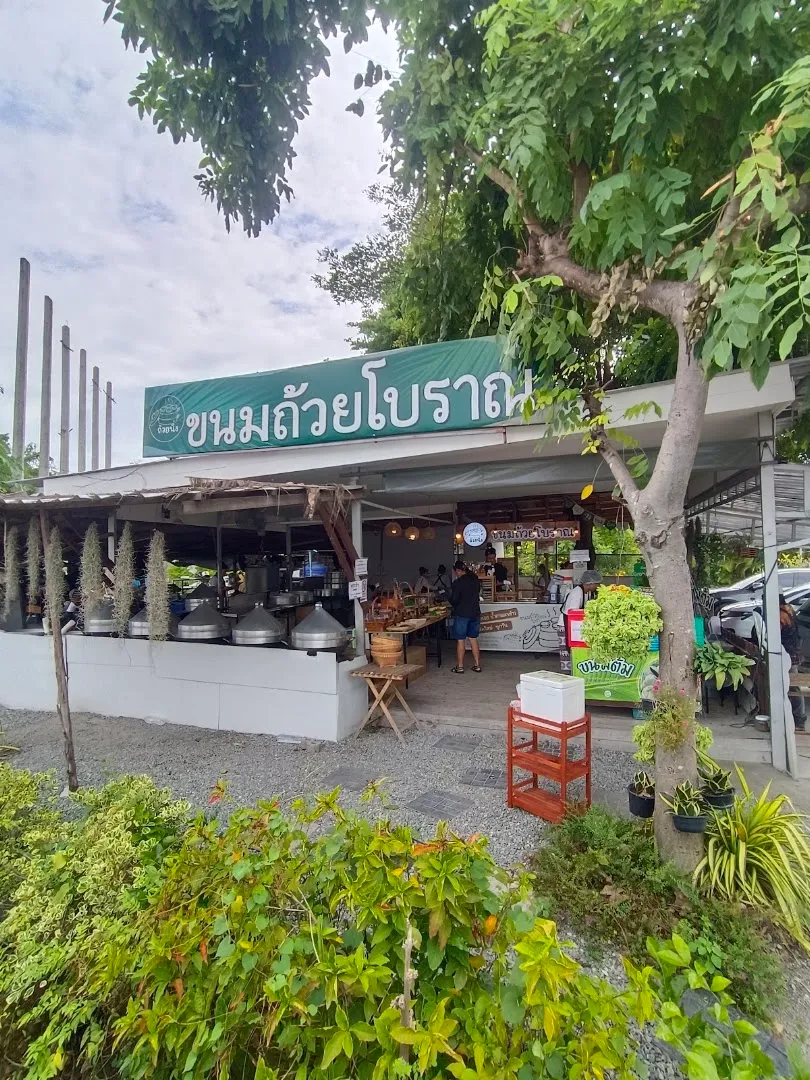
Photo from
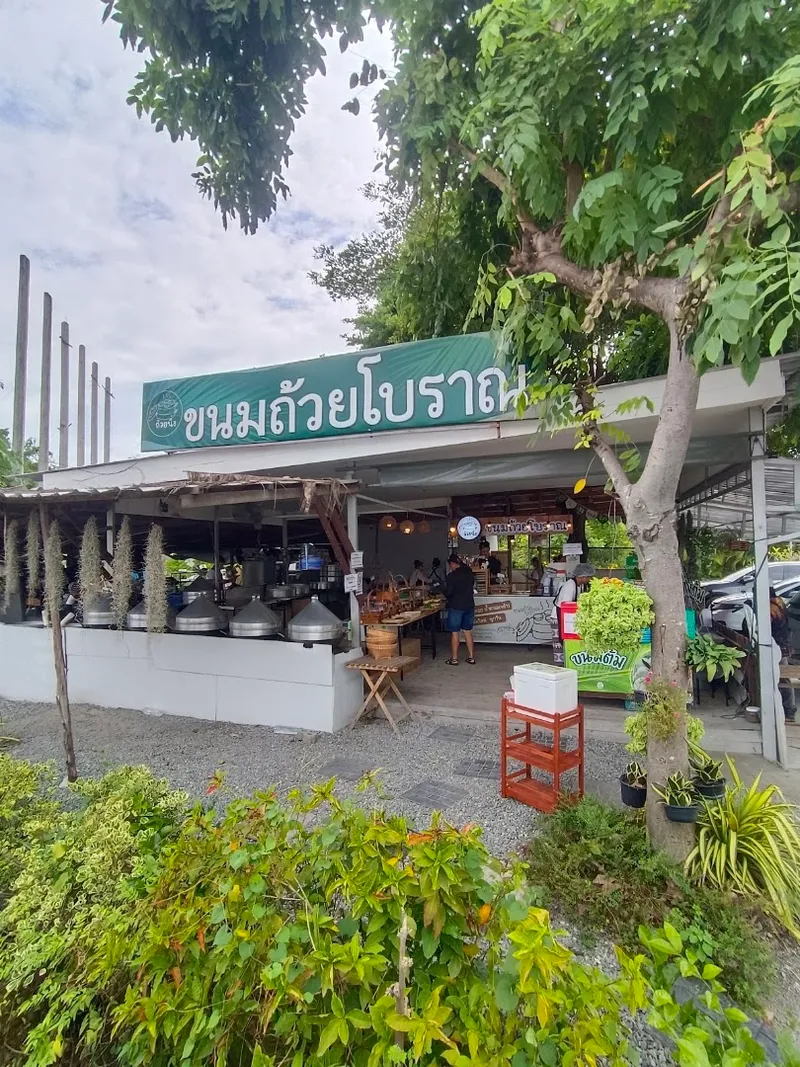
ขนมปังนึ่งโบราณ · Tambon Samet
The story
The origins of ขนมปังนึ่งไส้ใบเตย, or pandan‑filled steamed buns, lie in the Chinese baozi tradition, which was adapted across Southeast Asia. In Thailand, the buns became beloved snack items, often sold by street vendors and at traditional markets. The dough is typically made from wheat flour, yeast, sugar, and coconut milk, giving it a soft, slightly sweet character. The signature filling is a pandan custard, prepared by blending fresh pandan juice with coconut milk, sugar, and either mung bean paste or taro for structure. A great version is distinguished by its cloud‑like fluffiness: the bun should be light and springy, not dense or greasy. The pandan filling must be intensely aromatic, with a natural grassy sweetness that is not cloying. The balance between the mildly sweet dough and the rich, fragrant custard is essential. Regional variations include buns filled with taro, salted egg yolk, or even savory mixtures like shredded pork and bamboo shoots. In Tambon Samet, Thailandia, the vendor ขนมปังนึ่งโบราณ (“ancient steamed bread”) is praised by creator BANKII for maintaining a traditional recipe that emphasizes a delicate, airy texture and a genuine pandan fragrance. This specific variation stays true to the classic style, avoiding overly artificial flavorings. Across Thailand, other shops may adjust sweetness levels or add modern twists such as charcoal‑colored dough, but the pandan‑filled bun remains a comfort food that showcases the versatility of pandan in Thai sweets.
Synthesised by AI from every creator’s review.
Where to eat it
1 place reviewed by YouTube creators.
Tambon Samet (1)
What creators say
Highlights from 1 creator review of ขนมปังนึ่งไส้ใบเตย.

An old-school steamed bun stall with amazing fillings like taro and pandan — only 10 baht each and incredibly soft and flavorful.