Dish
Aged Sake (20 Years)
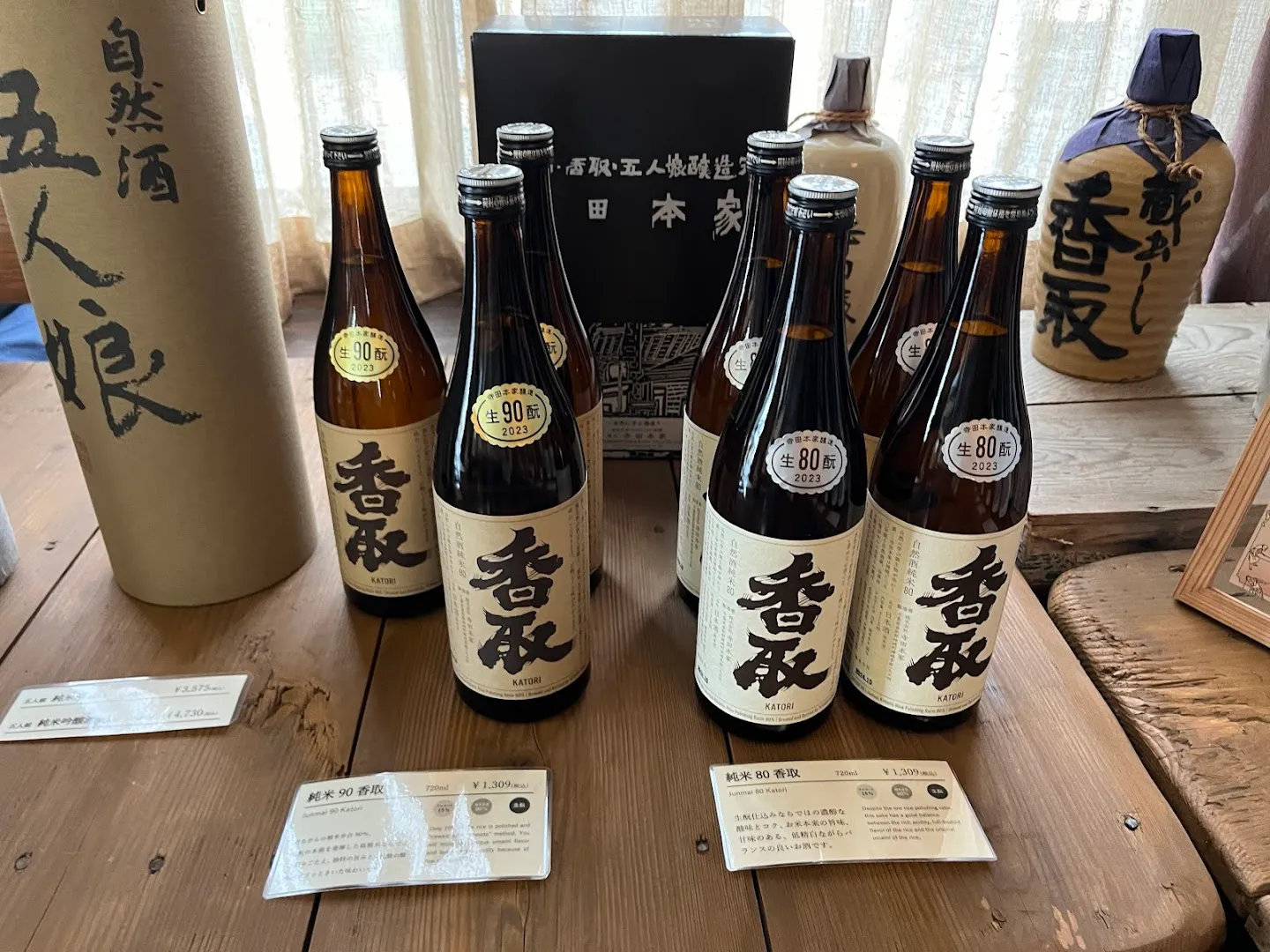
Photo from
Terada Honke · Kozaki
The story
Aged sake, particularly a 20-year-old bottling, represents the pinnacle of *koshu* (aged sake), a style that diverges sharply from the fresh, fruity profile of most modern brews. While sake is traditionally consumed young, the practice of aging has deep roots in Japan, historically used for preservation and to develop complex flavors. A 20-year-old sake undergoes a profound transformation; the bright, floral notes of a young *ginjo* fade, replaced by a rich, amber-hued liquid with aromas of dried fruit, honey, roasted nuts, soy sauce, and umami-laced sherry. Key ingredients remain the same—rice, water, yeast, and *koji* mold—but the magic lies in long-term, controlled cellaring.
A great 20-year-old sake is distinguished by its balance: the oxidative notes must be harmonious, not sherry-like or overwhelmingly savory. The texture should be viscous and smooth, with a long, complex finish that evolves in the glass. A prime example can be found at **Terada Honke** in Kozaki, Japan, one of the oldest breweries in the country, renowned for its mastery of *koshu*. As featured on *Cosa mangiamo oggi?*, their 20-year bottling is a benchmark for the style, showcasing how careful aging can elevate sake into a contemplative, dessert-like experience. Regional variations exist, with some breweries in Niigata producing lighter, more elegant aged sakes, while those in Nara or Kyoto often yield richer, more umami-driven results. Unlike wine, aged sake is not for everyone, but for connoisseurs, it offers a unique window into the art of patience in Japanese brewing.
Synthesised by AI from every creator’s review.
Where to eat it
1 place reviewed by YouTube creators.
Kozaki (1)
What creators say
Highlights from 1 creator review of Aged Sake (20 Years).

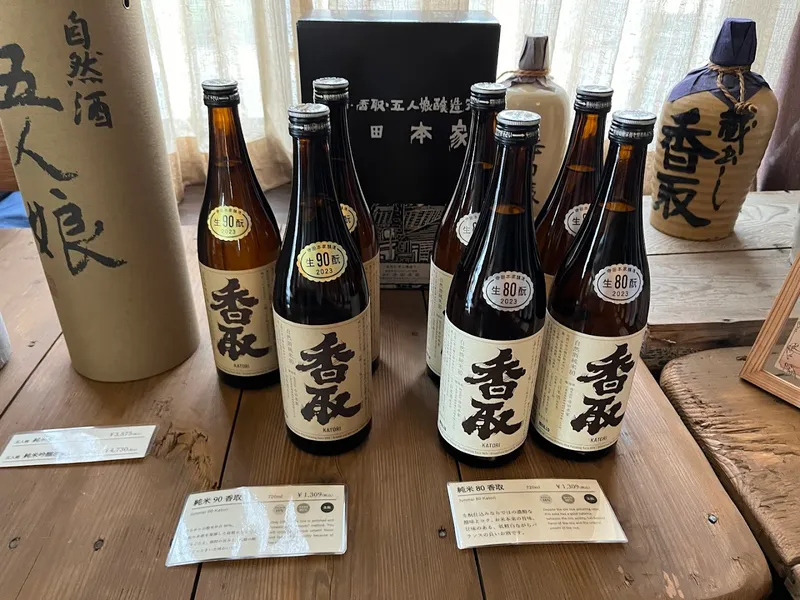
An incredible, once-in-a-lifetime experience visiting a 350-year-old sakagura where we saw the entire sake-making process and tasted their amazing range of sakes.