Dish
Camel Milk
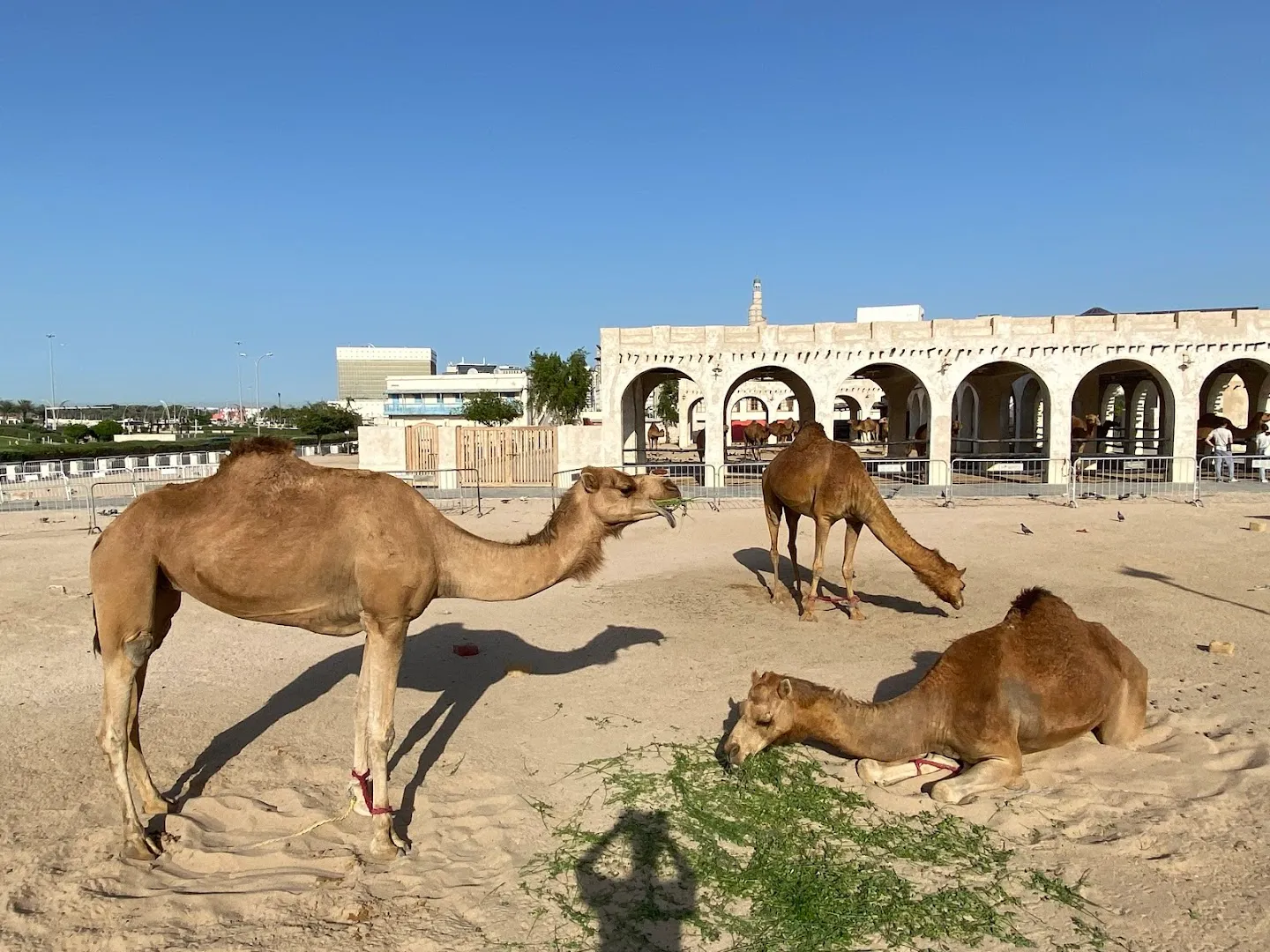
Photo from
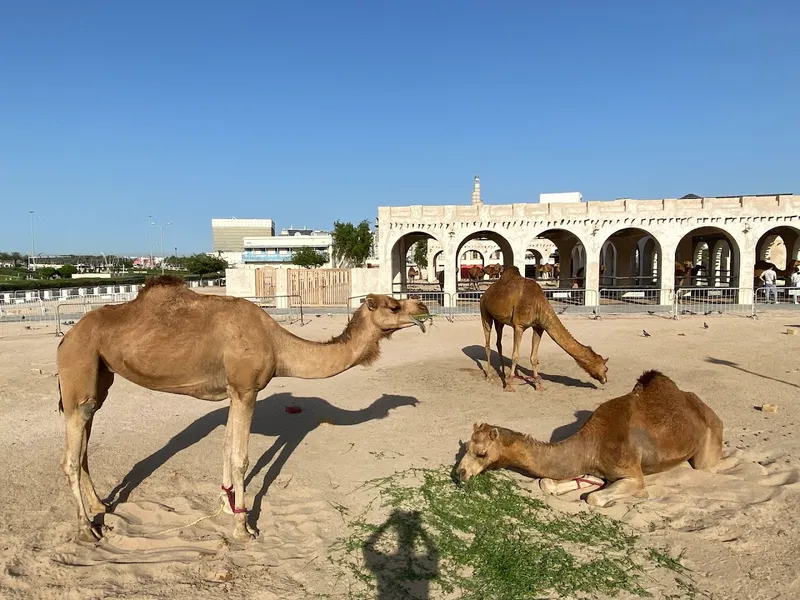
Camel Farm (Royal) · Doha
The story
Camel milk has been a staple of nomadic life in the Middle East, North Africa, and parts of Asia for millennia, prized for its nutritional density and long shelf life in arid climates. Unlike cow’s milk, camel milk is lower in lactose and fat but rich in vitamin C, iron, and immune-boosting proteins. A great version is distinguished by its fresh, slightly salty, and creamy taste—never sour or gamey—with a smooth, thin consistency that is less viscous than cow’s milk. The finest quality comes from well-hydrated, grass-fed camels, and it is best consumed raw or lightly pasteurized to preserve its beneficial enzymes.
In Doha, Qatar, the **Camel Farm (Royal)** offers visitors a chance to taste fresh camel milk directly from the source. Travel vlogger **Luke Martin** highlighted the experience, noting the milk’s clean, subtly sweet flavor and the farm’s commitment to traditional herding practices. Regional variations abound: in Somalia, camel milk is often fermented into a tangy, probiotic-rich drink called *suusac*; in Kazakhstan, it is churned into *shubat*, a fizzy, sour beverage believed to aid digestion. Across the Arabian Peninsula, it is commonly served warm with dates or used in coffee, while in parts of Kenya, it is mixed with herbs for a savory twist. As global interest in alternative dairies grows, camel milk is increasingly found in powdered and frozen forms, though purists argue that nothing rivals the taste of a fresh, sun-warmed cup from the herd.
Synthesised by AI from every creator’s review.
Where to eat it
1 place reviewed by YouTube creators.
Doha (1)
What creators say
Highlights from 1 creator review of Camel Milk.
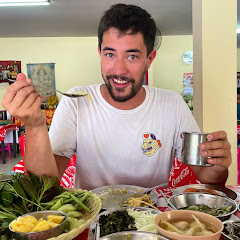
An exclusive, once-in-a-lifetime experience at a royal camel farm in Qatar, where we tasted premium Wagyu-style camel meat with incredible marbling and zero cholesterol, cooked traditionally over fire and served with spiced rice.