Dish
Cupolino di Formaggio con Barbozza e Cipolla di Cannara
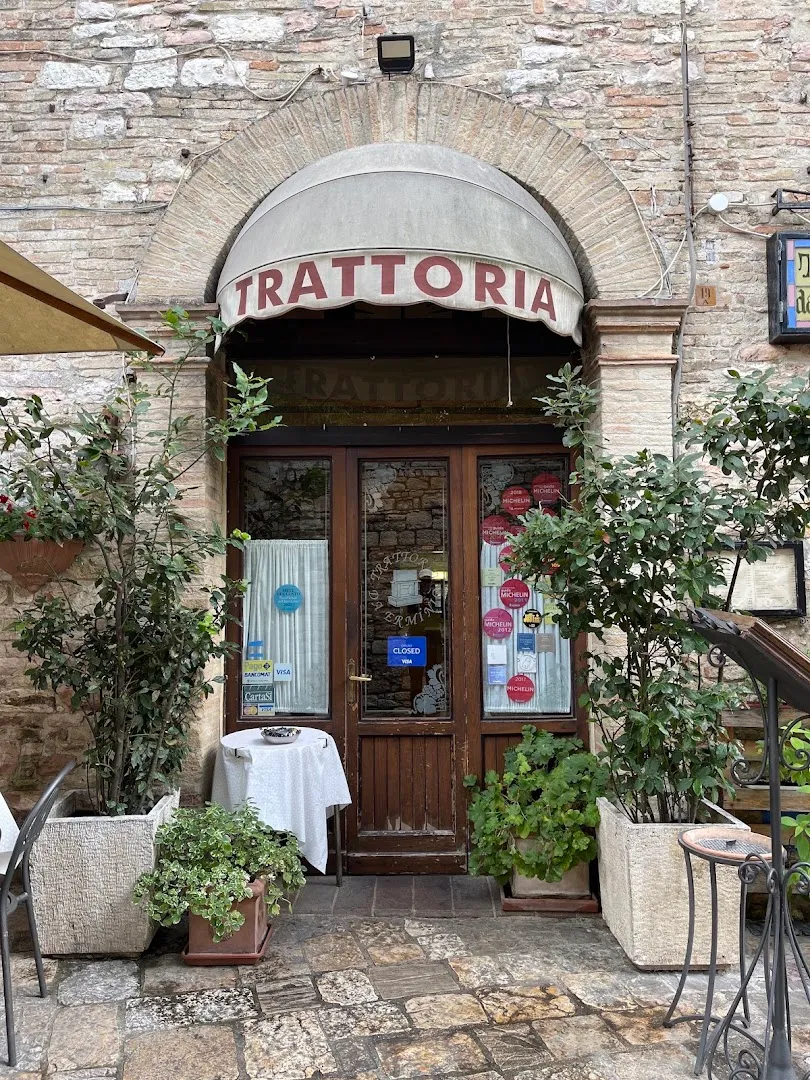
Photo from
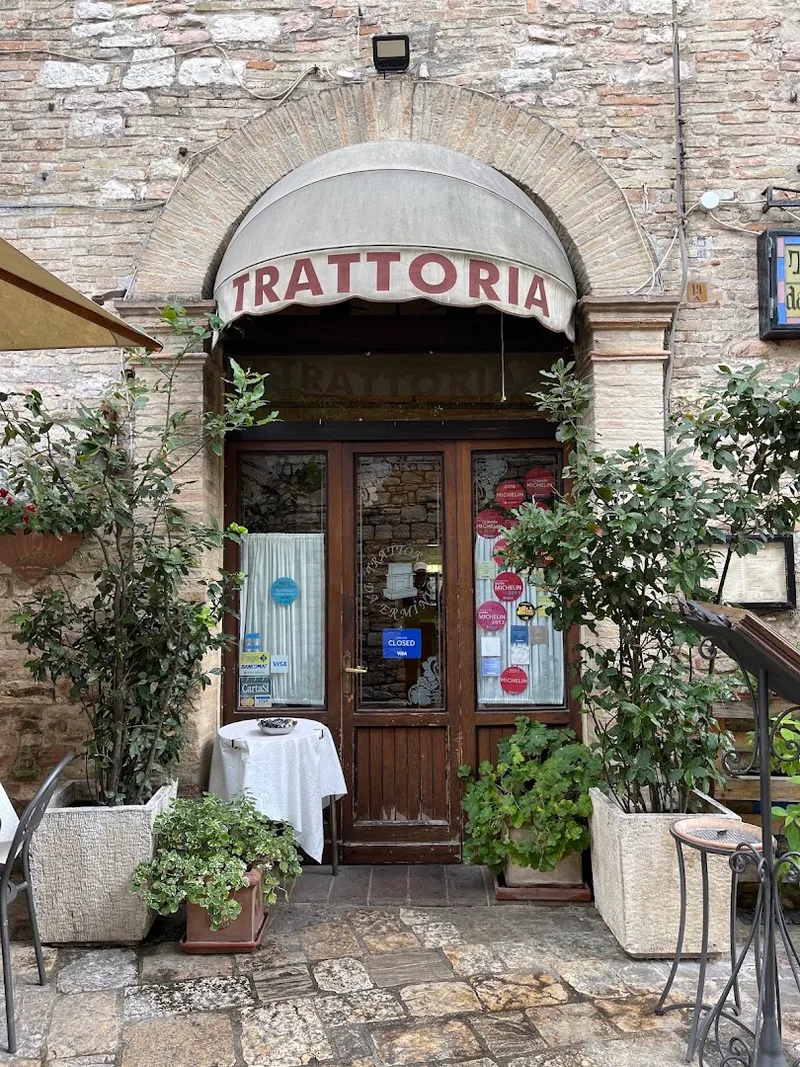
Trattoria da Erminio · Assisi
The story
The Cupolino di Formaggio con Barbozza e Cipolla di Cannara is a traditional Umbrian dish that combines a small cheese dome with cured pork jowl and sweet Cannara onions. Its origins are rooted in the culinary heritage of Assisi, Italy, where the dish is prominently featured at Trattoria da Erminio, as documented by ReTubeIt contributor JustUs. The three key ingredients are a local cheese—often a soft, meltable variety such as pecorino or a fresh cow’s milk cheese—barbozza (pork jowl, typically cured like guanciale), and the protected IGP Cipolla di Cannara, a sweet, reddish onion grown in the Cannara plains. A great version of this dish achieves a perfect balance: the cheese is baked until gooey and slightly browned, the barbozza is rendered crisp yet tender, and the onions are slowly caramelized to bring out their natural sweetness without becoming cloying. The interplay of salty, savory pork, rich cheese, and sweet, mellow onions distinguishes an exceptional preparation. Regional variations may substitute the cheese with a sharper aged pecorino for more bite, or replace the barbozza with pancetta or even wild boar in inland Umbrian towns. Some versions incorporate a drizzle of local olive oil or a sprinkle of black pepper to finish. The dish is typically served as an appetizer or a light main course, often accompanied by crusty bread to sop up the melted cheese and juices. Its simplicity relies on the quality of the local ingredients, and it remains a celebrated example of Umbrian rustic cuisine.
Synthesised by AI from every creator’s review.
Where to eat it
1 place reviewed by YouTube creators.
What creators say
Highlights from 1 creator review of Cupolino di Formaggio con Barbozza e Cipolla di Cannara.

A hidden trattoria in the historic center of Assisi with over 60 years of history, serving traditional Umbrian dishes; the food was satisfying and authentic, but the final bill was too high for a trattoria, leaving a bitter aftertaste.