Dish
Lingua alla Griglia con Patate Arrosto
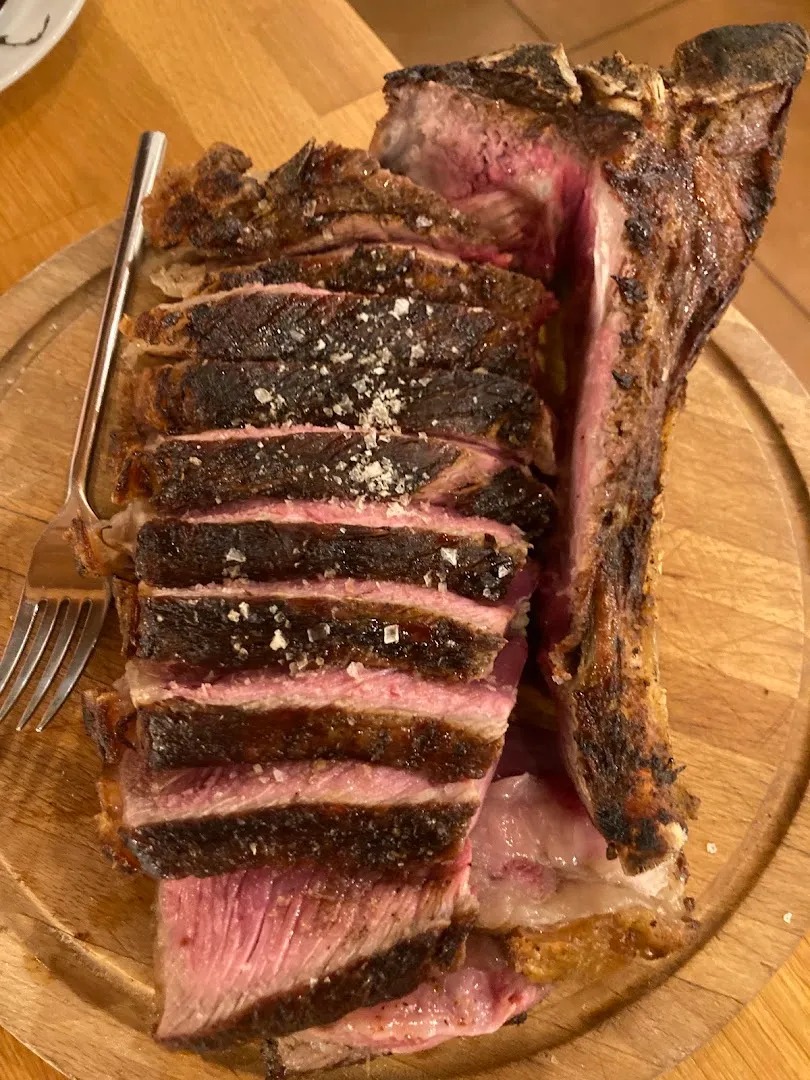
Photo from
Dispensa da Francini · Dicomano
The story
Lingua alla Griglia con Patate Arrosto is a traditional Italian offal dish featuring grilled tongue paired with roasted potatoes. The dish originates from cucina povera, the rustic cooking of rural Italy where every part of the animal was utilized, particularly in Tuscany and other central regions. The tongue, typically from beef or veal, is first poached until tender, then scored, seasoned, and grilled over high heat to develop a smoky char while maintaining a melt-in-the-mouth texture. The potatoes are roasted with olive oil, rosemary, and garlic until golden and crisp, providing a starchy contrast.
A great version of this dish is distinguished by the tongue’s tenderness—never chewy or dry—achieved through careful cooking and a final sear that adds depth without toughening the meat. The seasoning is crucial: typically salt, black pepper, and sometimes lemon or parsley to cut the richness. The potatoes must be crisp outside and fluffy inside, seasoned to complement the grilled tongue.
Regional variations exist across Italy. In Tuscany, where Dicomano is located, the dish may be prepared simply with olive oil and salt, while in Piedmont, it might appear with a green sauce (salsa verde). In Rome, lingua in salsa piccante (tongue in spicy sauce) offers a different preparation. At Dispensa da Francini in Dicomano, the dish is highlighted on the *Sentieri Golosi* program, showcasing the restaurant’s commitment to traditional Tuscan offal cookery. The pairing of earthy, charred tongue with robust roasted potatoes represents a humble but refined staple of Italian trattoria dining.
Synthesised by AI from every creator’s review.
Where to eat it
1 place reviewed by YouTube creators.
Dicomano (1)
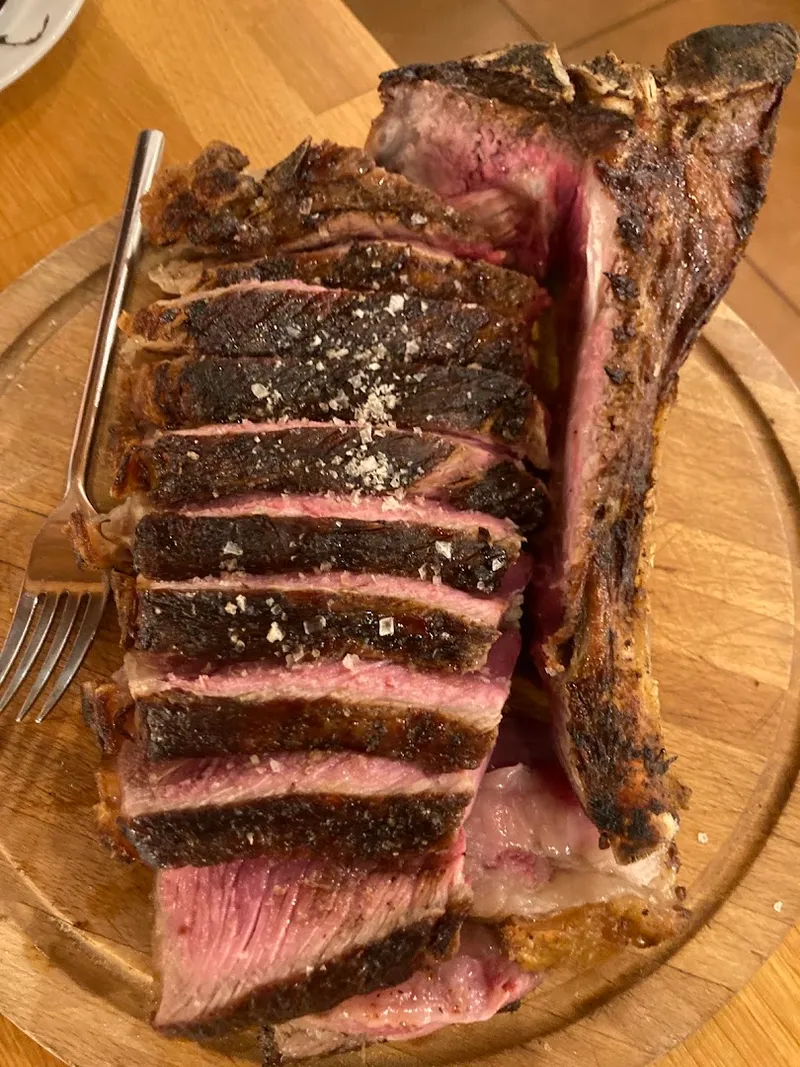
What creators say
Highlights from 1 creator review of Lingua alla Griglia con Patate Arrosto.

A fantastic agriturismo restaurant inside a cattle farm in Mugello, serving creative Tuscan dishes with their own beef, homemade pasta, and seasonal ingredients — the antipasto, primi, and dessert surprised us the most, all executed at a very high level.