Dish
Namoura (Semolina Dessert)

Photo from
Local Family Home (Latakia) · Latakia
The story
Namoura, also known as harissa or basbousa in other parts of the Middle East, is a classic semolina dessert soaked in a fragrant simple syrup. Its origins are deeply rooted in the Levant, with variations found from Egypt to Turkey. The dessert is built on a base of coarse semolina, yogurt or milk, butter or oil, and leavening agents, often flavored with rose water or orange blossom water. After baking to a golden brown, the hot cake is drenched in a cold syrup, typically infused with lemon or orange blossom, allowing the cake to absorb the liquid and achieve its signature moist, tender crumb.
A great version of namoura is distinguished by its texture: a perfect balance between a dense, slightly gritty crumb from the semolina and a light, airy interior. The syrup must penetrate evenly without making the cake soggy, and the sweetness should be balanced by floral notes. A hallmark of excellence is the topping—often a single blanched almond or a slice of pistachio placed in each square before baking, adding a nutty crunch.
Regional variations are abundant. In Syria, particularly in Latakia, namoura is often made with a higher ratio of semolina to flour, yielding a denser, more rustic cake. Mark Wiens, while visiting a local family home in Latakia, noted the use of "ghee and a touch of mastic" for a uniquely aromatic and rich flavor profile. In Egypt, basbousa is frequently made with coconut and yogurt, while in Lebanon, it is often soaked in a syrup thickened with a touch of tahini. Turkish revani is a lighter, sponge-like version that incorporates eggs and is often served with clotted cream.
Synthesised by AI from every creator’s review.
Where to eat it
1 place reviewed by YouTube creators.

What creators say
Highlights from 1 creator review of Namoura (Semolina Dessert).
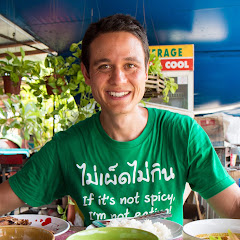
An incredible family home in Latakia serving authentic regional specialties with warmth and hospitality, featuring dishes based on bulgur and fresh local ingredients.