Dish
Pasta alla Mugnaia
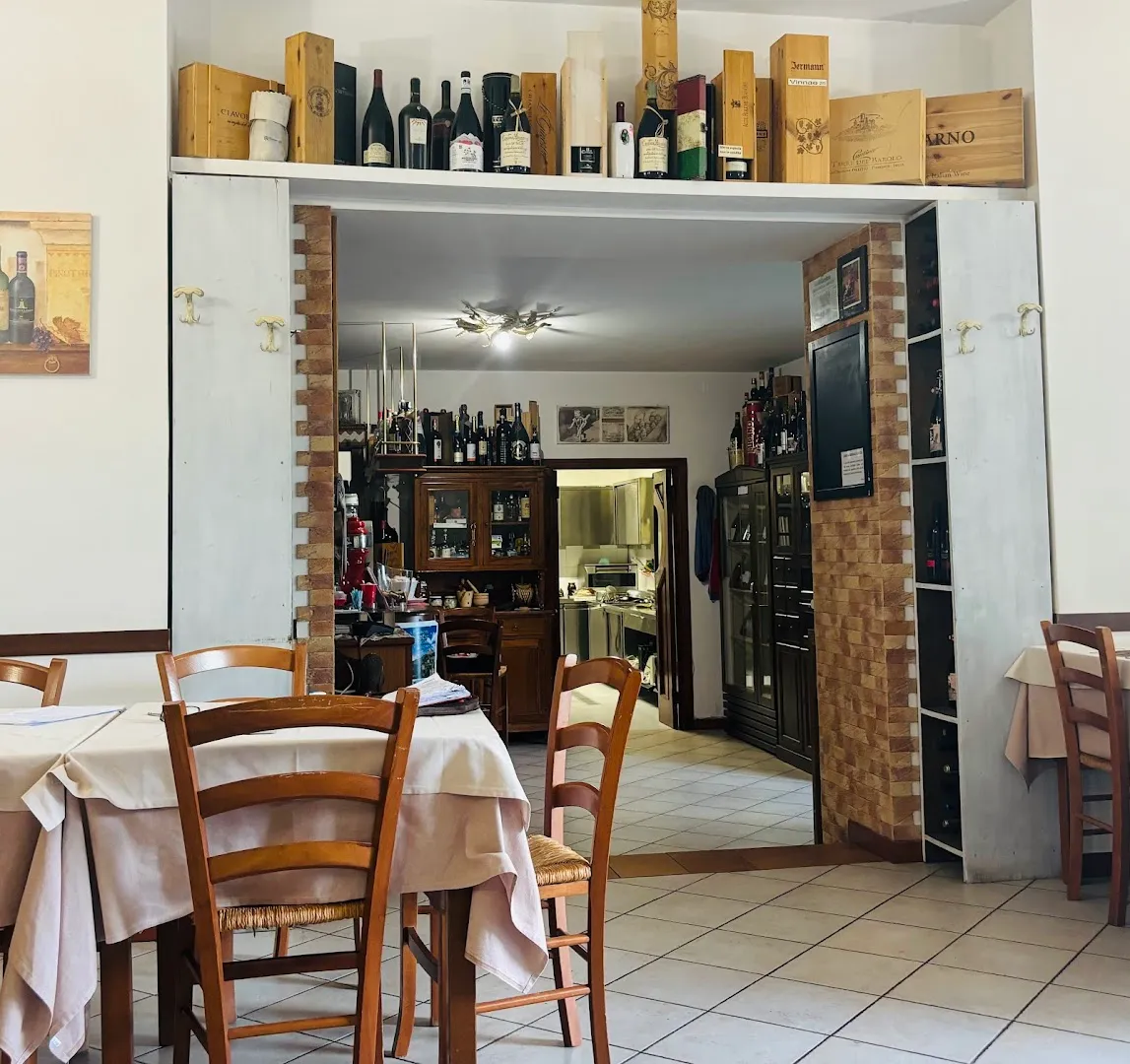
Photo from
Il Parco del Voltigno · Carpineto della Nora
The story
Pasta alla Mugnaia is a traditional dish from the Abruzzo region of Italy, specifically associated with the town of Carpineto della Nora. The name translates to "miller's wife's pasta," reflecting its rustic, peasant origins where humble ingredients were transformed through long, patient cooking. The dish is characterized by an exceptionally high ratio of onions to pasta; the onions are sliced and slowly caramelized for hours in olive oil with a small amount of tomato paste or fresh tomatoes, creating a dense, sweet, and deeply savory sauce. Key ingredients include only flour, water, olive oil, onions, and tomato—no eggs or meat are traditional. The pasta itself is typically a thick, homemade, hand-rolled strand similar to maccheroni alla chitarra.
What distinguishes a great version is the texture: the onions must dissolve almost completely into a creamy, jam-like sauce that clings to the pasta, and the dish is cooked “all’insù,” meaning the pasta finishes cooking directly in the sauce, absorbing all its flavor. The slow-cooking process, which can take over two hours, is essential. Regional variations are limited but may include the addition of pecorino cheese, a drizzle of raw olive oil at the end, or occasionally guanciale for a richer, non-vegetarian interpretation. Today, the dish is celebrated by venues such as **Il Parco del Voltigno** in Carpineto della Nora, as noted by the guide *Sentieri Golosi*, which highlights it as a definitive expression of local culinary heritage. Unlike similar Italian onion-based pasta dishes, Pasta alla Mugnaia remains true to its minimal, peasant roots and its singular focus on the onion's transformation.
Synthesised by AI from every creator’s review.
Where to eat it
1 place reviewed by YouTube creators.
Carpineto della Nora (1)
What creators say
Highlights from 1 creator review of Pasta alla Mugnaia.

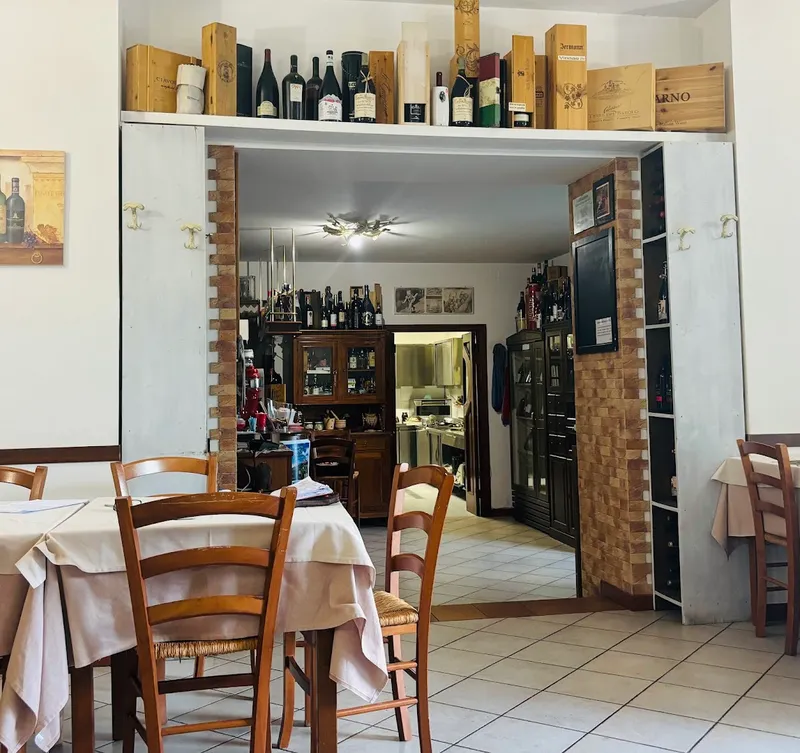
A fantastic family-run trattoria in the Parco del Voltigno nature reserve, serving incredible homemade pasta — especially the ancient Pasta alla Mugnaia — and an endless antipasto spread, all in a rustic, old-school setting. Highly recommended.