Dish
Spaghetti al Nero di Seppia con Gorgonzola
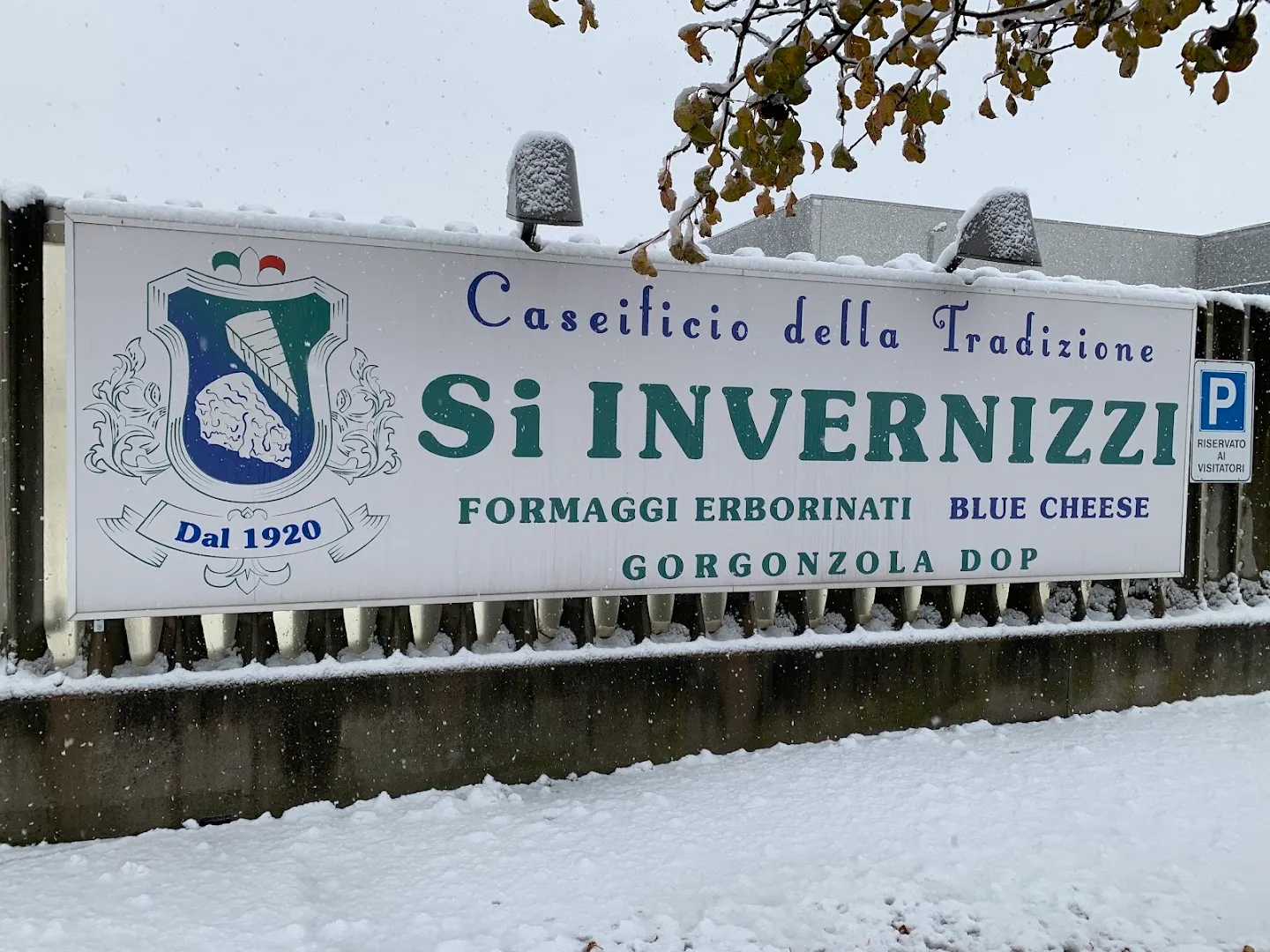
Photo from
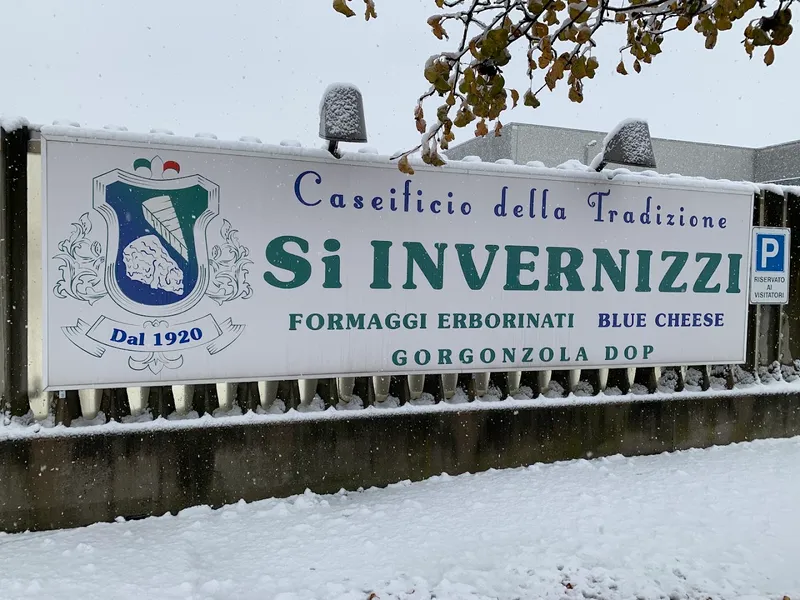
Caseificio Si Invernizzi · Trecate
The story
Spaghetti al Nero di Seppia con Gorgonzola is an Italian pasta dish that marries the briny intensity of cuttlefish ink with the creamy pungency of Gorgonzola cheese. The dish likely originated as a contemporary fusion, bridging coastal seafood traditions—where nero di seppia is a staple in Venetian and Sicilian cooking—with the inland cheese cultures of Lombardy and Piedmont, where Gorgonzola has been produced since the Middle Ages. Key ingredients include spaghetti, fresh cuttlefish or its ink, good-quality Gorgonzola (either the milder dolce or sharper piccante), extra-virgin olive oil, garlic, and often a pinch of chili or parsley for contrast. A great version achieves a harmonious emulsion: the ink lends a deep, saline umami and dramatic black color, while the cheese adds richness without overwhelming the seafood; the pasta must be cooked perfectly al dente and the sauce should cling to each strand without greasiness. Regional variations may substitute other long pasta like linguine, adjust the Gorgonzola-to-ink ratio, or incorporate cream for a smoother texture. One notable preparation is served at Caseificio Si Invernizzi in Trecate, Italy, a dairy-focused venue that—according to Insider Food—presents the dish with particular attention to the interplay of its signature cheese and the ink’s maritime character, reflecting the venue’s expertise in Gorgonzola. This dish remains a niche but striking example of Italian cucina creativa.
Synthesised by AI from every creator’s review.
Where to eat it
1 place reviewed by YouTube creators.
Trecate (1)
What creators say
Highlights from 1 creator review of Spaghetti al Nero di Seppia con Gorgonzola.

Caseificio Si Invernizzi is one of only 29 dairies in the world certified to produce Gorgonzola DOP. Located in Trecate, Piedmont, it produces between 450 and 500 wheels daily using traditional methods. The cheese is made from unskimmed pasteurized cow's milk and aged for two months (dolce) or three months (piccante), with the blue/green veins from Penicillium roqueforti. The dairy's production is confined to the Piedmont and Lombardy regions as per PDO rules.