Dish
uova di salmone

Photo from
Otani · Chiyoda City
The story
# Uova di Salmone
Uova di salmone, Italian for "salmon roe," refers to the cured eggs of salmon, commonly known as ikura in Japanese cuisine. This ingredient represents a convergence of Italian culinary tradition and Japanese seafood expertise, particularly valued for its distinctive briny flavor and jewel-like appearance.
## Origin and Characteristics
Salmon roe has been utilized in Scandinavian and Russian cuisines for centuries, but its integration into Italian gastronomy reflects the modern trend of cross-cultural ingredient adoption. The eggs are characterized by their translucent, amber-to-orange coloring and delicate membrane that bursts with umami-rich liquid when consumed. A great preparation of uova di salmone emphasizes the freshness and quality of the roe itself, with minimal processing to preserve the natural brininess and subtle sweetness of the eggs.
## Culinary Applications
Uova di salmone is typically served as a topping for pasta, risotto, or seafood dishes, or presented simply on crostini or with sour cream. The ingredient's versatility allows it to function both as a luxurious garnish and as a primary flavor component.
## Regional Variations
While salmon roe is most traditionally associated with Japanese and Nordic cuisines, its adoption in Italian cooking—particularly in regions with strong seafood traditions—has created distinctive preparations. In Toyama, Japan, establishments like Toyama have incorporated uova di salmone into contemporary Italian-Japanese fusion cuisine, as documented through chef Franchino Er Criminale's work, demonstrating the ingredient's global culinary reach and its role in modern gastronomic innovation.
Synthesised by AI from every creator’s review.
Where to eat it
3 places reviewed by YouTube creators.
Chiyoda City (1)

Meguro City (1)
Chuo City (1)
What creators say
Highlights from 3 creator reviews of uova di salmone.



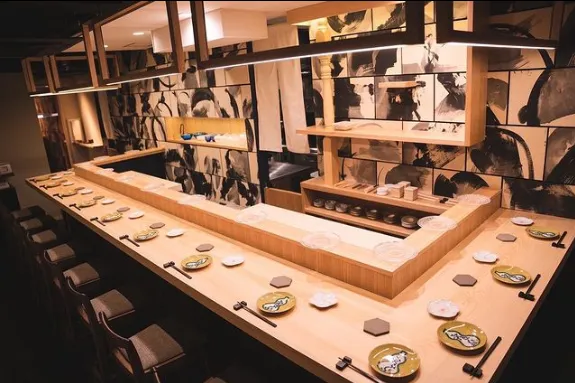
Otani was the best sushi experience of our trip, maybe one of the best ever. We sat at the counter, trusted the chef, ate incredible nigiri, made friends with the neighbors and the chef, and paid €300 per person — worth every yen.
Otani · Chiyoda CitylovedAn omakase experience in Ikebukuro — the food was very good overall, with some standout dishes like the medium fatty tuna and the eel tempura, though a few dishes were just okay. Not super formal, but worth the €120.
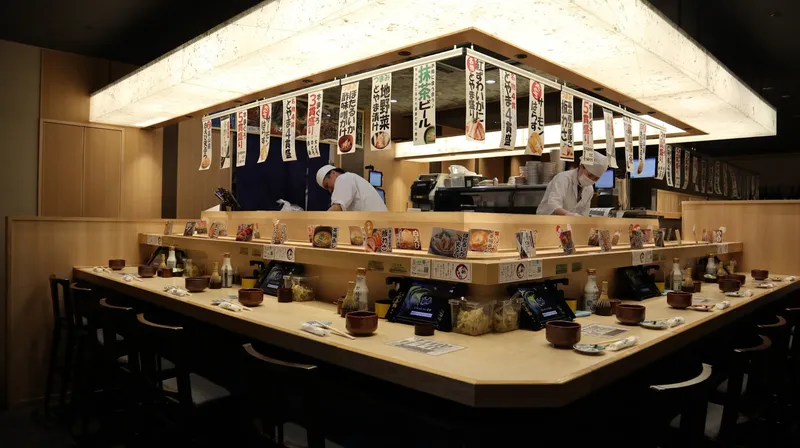
A high-quality sushi chain with three locations (two in Toyama, one in Ginza) offering excellent fresh fish, premium cuts, and generous portions at reasonable prices; the creator found it very good with notably superior quality compared to Italian sushi restaurants.
Toyama · Chuo Cityloved