Dish
Whole Beast
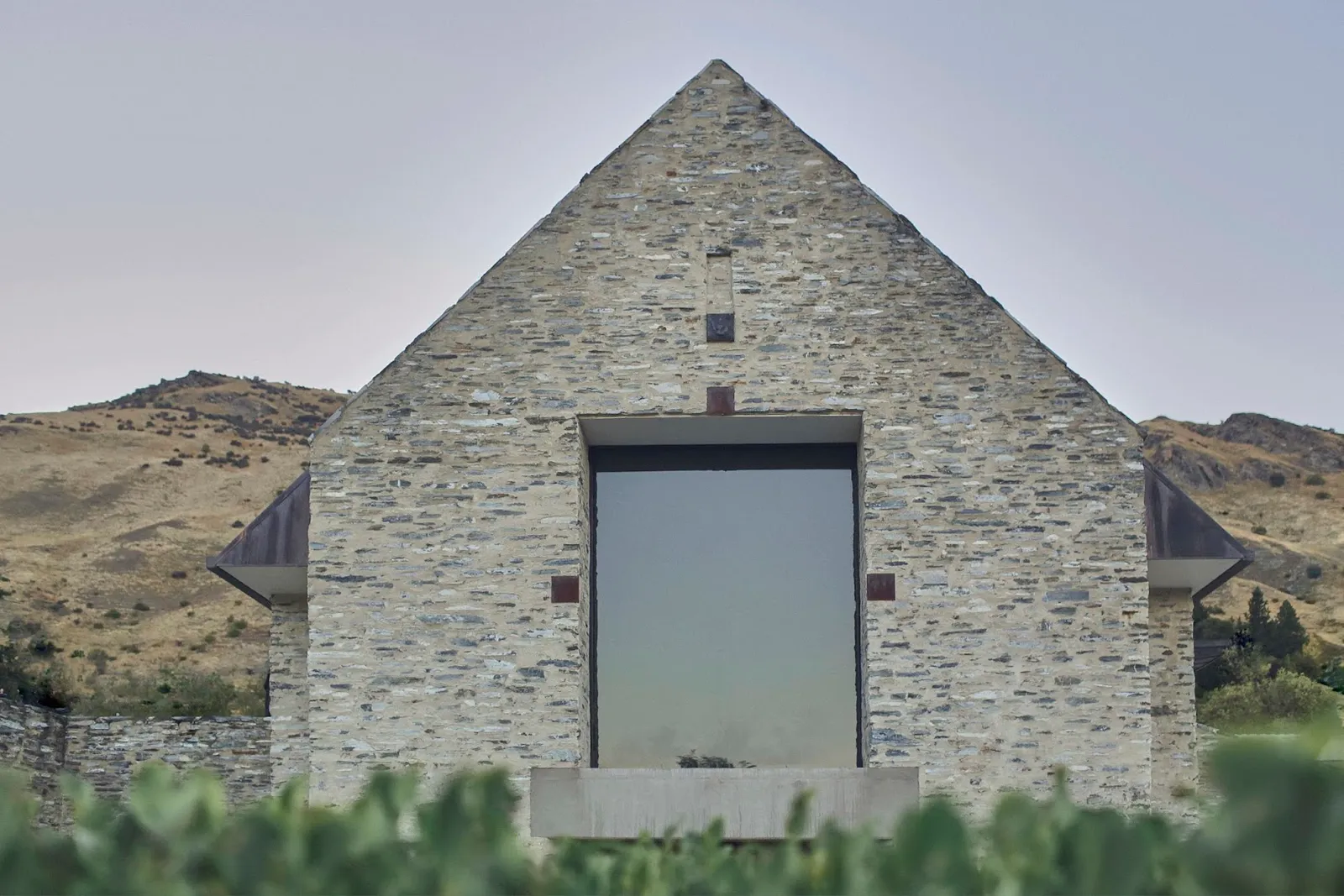
Photo from
Amisfield · Queenstown
The story
The "whole beast" approach, synonymous with nose-to-tail cooking, is a culinary philosophy that utilizes every edible part of an animal, from snout to tail. Its origins span ancient cultures where resourcefulness was essential: Iron Age pit roasts, Roman culinary treatises, and traditional peasant cuisines across Europe and Asia. The modern revival is often credited to London’s St. John restaurant in the 1990s. Key ingredients include offal (liver, heart, kidneys), marrow bones, trotters, tongue, and blood, prepared through braising, roasting, confit, or charcuterie. A great version is distinguished by the chef's skill in balancing robust flavors and varied textures—crisp crackling, silky marrow, tender braised meat—often using slow cooking and careful seasoning to transform humble cuts into delicacies. Regional variations abound: Mexican barbacoa pits cook whole lamb or goat; Korean soondae incorporates pig blood into sausages; Italian porchetta roasts a deboned, stuffed pig. In Queenstown, New Zealand, Amisfield offers a refined whole-beast tasting menu, featuring local venison and lamb—an experience noted by food writer Michael Ligier for its sustainable elegance and depth. The whole-beast dish, whether rustic or haute, celebrates culinary resourcefulness and profound flavor.
Synthesised by AI from every creator’s review.
Where to eat it
1 place reviewed by YouTube creators.
Queenstown (1)
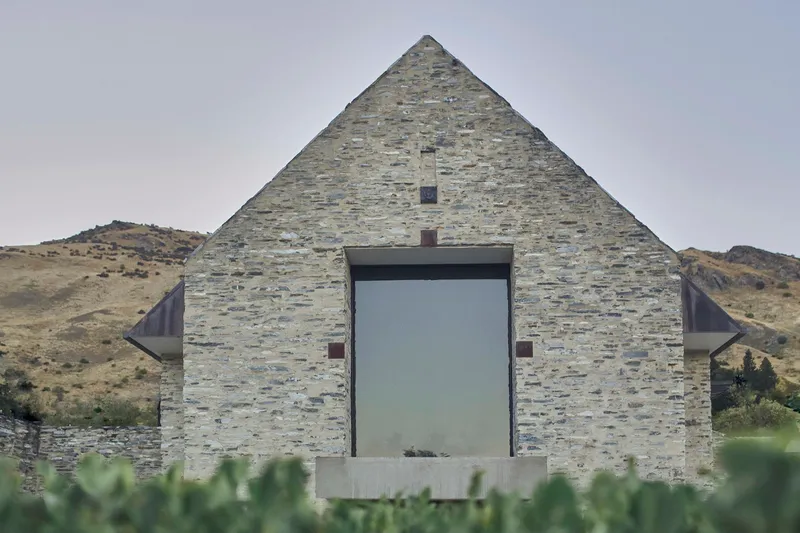
What creators say
Highlights from 1 creator review of Whole Beast.

Amisfield in Queenstown, New Zealand, is my single favorite restaurant I dined at last year — it's a wild, theatrical tasting menu that highlights the bountiful produce of New Zealand with unique, sometimes scary presentations.